Superyacht arrival information NZ is a dedicated page for vessel owners, captains and crew. Find clear answers or contact Catalano for a smooth, stress-free arrival. We handle all formalities for visiting vessels and superyachts and coordinate Customs, Immigration and Biosecurity officers to attend your yacht on arrival.
Biofouling Requirements
New Zealand has many beautiful marine environments and needs to protect them from harmful pests and diseases. After May 2018, all vessels must arrive in New Zealand Territory with a “clean hull” according to introduced biosecurity requirements. The definition of a clean hull varies according to a vessel’s itinerary.
Risk items that are either restricted or prohibited NZ entry may include:
FOODSTUFFS – including pork and poultry, fruit, vegetables, eggs, dairy products, honey and bee products
RUBBISH – particularly food waste
PLANTS – no plants or parts of plants may be landed in New Zealand
CITES (endangered species items), e.g. clam and conch shells, coral, turtle shells and ivory
RUBBISH – particularly food waste
LIVE ANIMALS – in general, no animals will be permitted to come ashore in New Zealand or to remain aboard a vessel in New Zealand territorial waters. Special permits and exemptions are required to bring live animals/pets into the country onboard the yacht
HITCHHIKERS – any known contamination with hitchhiker organisms (termites, ants, mosquito larvae, moth egg masses, spiders, hull biofouling)
Please note this list is by no means exhaustive. Check with us for the latest updates and how best to prepare for your arrival.
New Zealand Visa
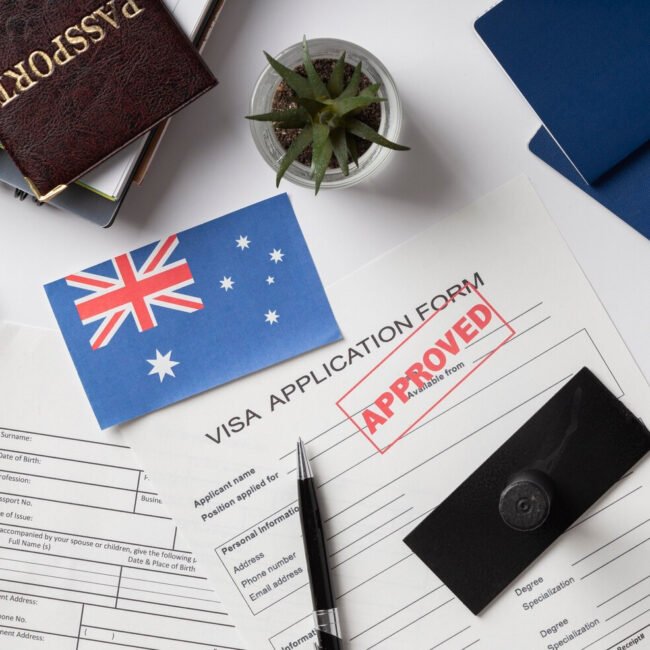
Does your crew need a Visa? Please check with us to ensure your crew come under the Visa Waiver Scheme or discuss how to process a Superyacht Crew Visa, Owner Visitor Visa for travelling to New Zealand.
Some visitors and transit passengers can travel to New Zealand without a visa if they get a New Zealand Electronic Travel Authority (NZeTA) before they travel. It is much the same thing as ESTA or ETA in USA or Canada. Please speak to our team if you need one in place.
We can also assist with international visas such as B1b2.
CRUISING PERMITS
Some regions in New Zealand require cruising permits, and our team will guide you through the process to ensure full compliance with local regulations. Speed restrictions also apply in sensitive areas — for example, a 10-knot limit is enforced in the Waitematā Harbour to protect whales and other marine life, helping you avoid costly fines and prevent environmental damage.
Ports of Entry
Your first place of arrival in New Zealand must be a port or marina that is approved to receive yachts and other recreational vessels from overseas.
Please refer to the list:
Opua, Opua Marine Park
Whangarei, Marsden Cove Marina
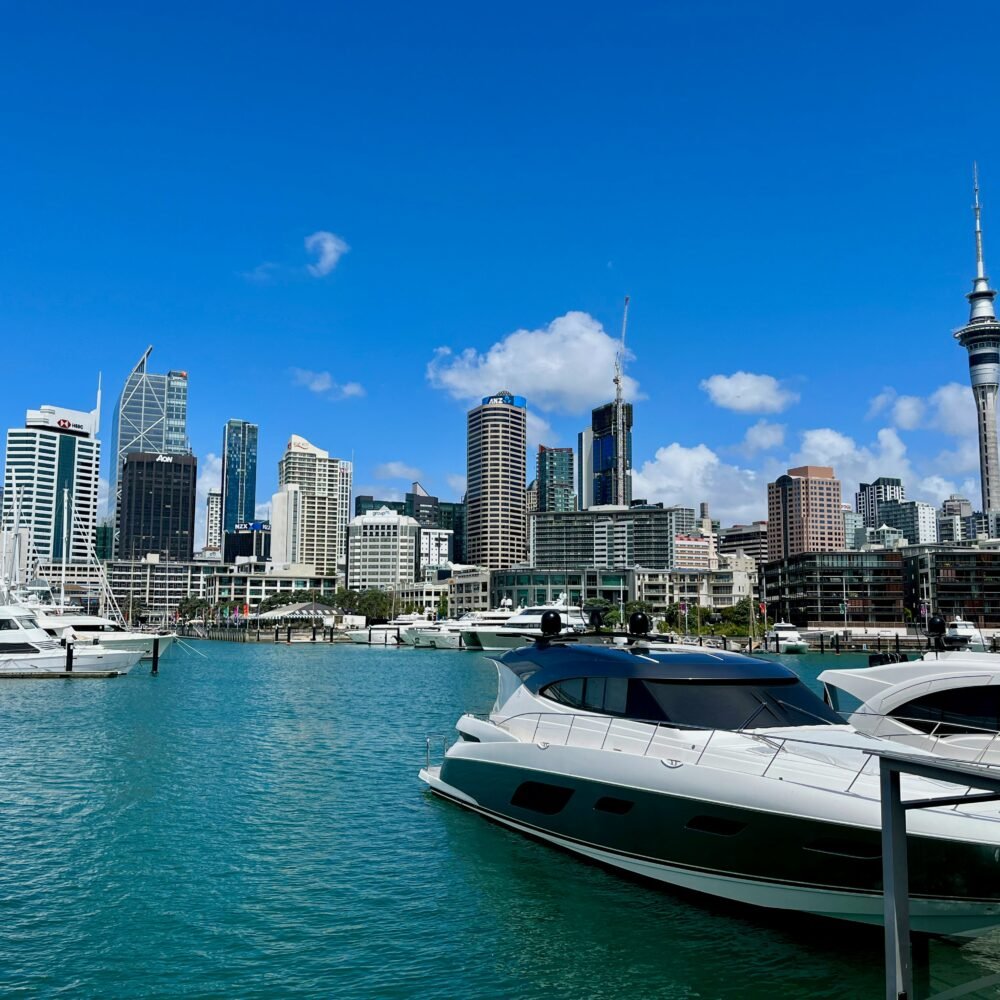
Ports of arrival in Auckland: Viaduct Harbour Marina and Silo Park Marina
Tauranga, Vessel Works Marine Precinct
Picton, Port of Marlborough
Lyttelton, Lyttelton Port of Christchurch
Arriving elsewhere is only permitted if there is an emergency or if the Captain applied for and received prior approval from MPI through the yacht agency.
contact us
Discover more
Explore the full range of Yacht & Crew Services in New Zealand and the Pacific, including superyacht arrival clearance, marina berthing coordination, yacht logistics, provisioning, bunkering, tax handling and crew support. Our experienced team assists visiting superyachts, captains and crew with trusted local expertise across major New Zealand ports and Pacific cruising destinations. Discover the complete yacht service network available for vessels operating in the region.